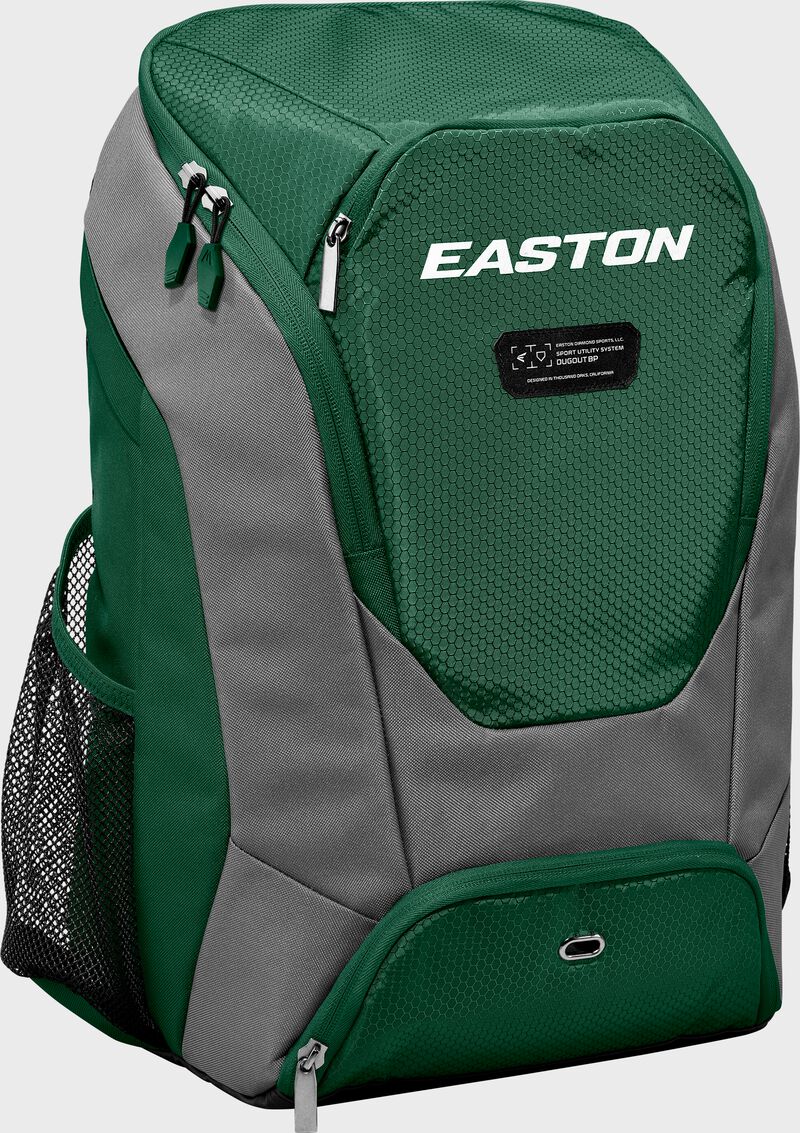
Dugout Ready: The Comfort and Convenience of a Smart Baseball Backpack
The crack of the bat, the thud of a fastball hitting the catcher's mitt, the cheers from the stands – these are the sounds of baseball. But before any of that magic happens, there's the less glamorous but equally crucial task of getting all your gear to the field. Gone are the days of lugging around an ill-fitting duffel bag, struggling to find your helmet amidst a tangle of cleats and gloves. Today, the modern player, from T-ball rookie to seasoned slugger, understands the indispensable value of a well-designed, "smart"
baseball backpack. This isn't just a bag; it's a mobile locker, an organizer, and a silent assistant ensuring you're always "dugout ready."
The Evolution of Gear Transport: Why a Smart Baseball Backpack is Essential
For generations, baseball players made do with standard gym bags or whatever generic carry-all could hold their equipment. The result was often a chaotic mess: missing socks, dirt-covered gloves, and the dreaded scramble to find a specific item before an inning began. The modern
baseball backpack, however, represents a significant leap forward in athletic gear management. It’s designed with the specific needs of a baseball or softball player in mind, offering not just storage, but strategic organization, protection, and unparalleled convenience.
Imagine a young player heading to practice or a tournament. They need to carry everything from their helmet and glove to bats, cleats, and a water bottle. A traditional bag often means items are thrown in haphazardly, leading to wear and tear, and often, a lingering athletic odor. A smart
baseball backpack addresses these issues head-on, transforming the pre-game and post-game experience into a streamlined process. It's about more than just carrying capacity; it's about making gear accessible, clean, and protected, allowing players to focus on the game itself.
Key Features That Make a Baseball Backpack "Smart"
What truly elevates a good baseball bag to a "smart"
baseball backpack? It comes down to thoughtful design and robust construction that anticipate every need of a player.
Durability Meets Design: Built to Last
A
baseball backpack isn't just carried; it's dragged, thrown, sat on, and exposed to all kinds of weather. This demands exceptional durability. Look for bags constructed from high-quality materials like 600D polyester. This robust fabric is known for its resistance to tears, abrasions, and general wear and tear, ensuring the backpack can withstand the rigors of a full baseball or softball season, practice after practice, game after game. Reinforced stitching at stress points and heavy-duty zippers are also tell-tale signs of a backpack built to go the distance. Investing in a durable bag means not having to replace it midway through the season, saving both money and hassle. For a deeper dive into materials and construction, check out our guide on
Maximize Your Game: Key Features of a Durable Baseball Backpack.
Specialized Compartments for Optimal Gear Protection and Hygiene
This is where the "smart" aspect truly shines. A top-tier
baseball backpack features dedicated compartments for virtually every piece of equipment, ensuring everything has its place and stays protected.
*
Bat Sleeves: Most quality backpacks include two external bat sleeves, designed to securely hold bats upright and easily accessible. This prevents bats from rattling around inside the main compartment, protecting them from dings and scratches, and freeing up crucial interior space.
*
Ventilated Shoe Compartment: Cleats get dirty and smelly. A dedicated, ventilated shoe compartment keeps cleats separate from the rest of your gear, preventing dirt transfer and allowing air circulation to reduce odor and moisture buildup. This is a game-changer for hygiene and preserving the freshness of your glove and uniform.
*
Ventilated Pockets: Beyond just shoes, some backpacks offer additional ventilated pockets specifically for gloves or other items prone to moisture and smell. This further enhances air circulation and keeps equipment in better condition.
*
Large Main Compartment: The central hub for bulkier items like your baseball helmet, fielding glove, extra baseballs, and even a change of clothes. A spacious main compartment ensures all essentials fit without being crammed, maintaining the integrity of your helmet and glove.
*
External Padded Laptop/Tablet Compartment: In today's connected world, many players, especially older ones, might bring a laptop or tablet for schoolwork, game analysis, or entertainment. An externally accessible, padded compartment protects these electronics from impacts and moisture, a feature rarely found in older bag designs.
*
Side Mesh Pocket: Essential for staying hydrated, a side mesh pocket perfectly holds a water bottle, making it easily accessible without opening the main bag. It can also be used for quick-access items like a cap or batting gloves.
Comfort and Convenience: Carrying Your Arsenal with Ease
Even with the best organization, a heavy bag can be a burden. Smart
baseball backpacks prioritize player comfort and overall convenience.
*
Ergonomic Design with Padded Straps: Adjustable, padded shoulder straps and a padded back panel distribute weight evenly, reducing strain on the shoulders and back. This is especially important for younger players who might be carrying a substantial amount of gear relative to their size. An ergonomic design ensures comfort, even on longer treks to the field.
*
Integrated Fence Hook: A seemingly small but incredibly impactful feature. A built-in fence hook allows players to hang their backpack on the dugout fence, keeping it off the dirty or wet ground. This not only keeps the bag clean but also makes all compartments easily accessible, maintaining order in a busy dugout and preventing tripping hazards. It’s a simple solution that significantly enhances the dugout experience, reflecting true "dugout ready" practicality.
Choosing the Right Baseball Backpack for Your Player
With a plethora of options available, selecting the ideal
baseball backpack requires a bit of thought. Consider these factors to make the best choice:
Size and Capacity: Matching the Player and Their Gear
The "right" size depends heavily on the player's age and the amount of gear they need to carry. A T-ball player might need less capacity than a high school catcher or pitcher with multiple gloves, cleats, and specific training aids. For younger players, a compact yet spacious design, like those highlighted in our article on
Youth Baseball Backpacks: Organizing Gear for T-ball to Tournaments, is often ideal, ensuring they can comfortably carry their own bag. For older players, consider backpacks that can accommodate larger helmets, multiple bats, and potentially more personal items.
Material and Construction: Investing in Longevity
As mentioned, durability is paramount. Always prioritize bags made from high-denier polyester (like 600D) with robust stitching and reliable zippers. These features are often overlooked but are critical to the backpack’s lifespan. A well-constructed bag is an investment that will outlast cheaper alternatives.
Prioritizing Specific Features: What Matters Most?
While many smart backpacks offer a comprehensive set of features, individual needs might vary. Does your player need a laptop compartment? Are multiple bat sleeves essential? Is superior ventilation for cleats a must-have due to frequent practice schedules? By identifying key priorities, you can narrow down your options to a backpack that truly meets their specific requirements.
Tips for Maximizing Your Baseball Backpack's Potential
Owning a smart
baseball backpack is the first step; using it effectively is the second. Here are some practical tips to get the most out of your gear:
Organization Hacks
*
Designate Pockets: Consistently use specific pockets for specific items. Helmet in the main compartment, bats in the sleeves, cleats in their ventilated slot, and water bottle in the mesh pocket. This builds muscle memory for packing and unpacking.
*
Small Item Pouches: Use smaller, clear pouches within the main compartment for small essentials like batting gloves, athletic tape, sunscreen, lip balm, or a first-aid kit. This prevents them from getting lost at the bottom of the bag.
*
Pre-Game Checklist: Before heading to the field, run through a quick mental or physical checklist of essential items: helmet, glove, cleats, bats, water bottle, uniform, socks. This habit prevents last-minute panic.
Maintenance and Care
*
Empty After Each Use: Don't leave sweaty uniforms, dirty cleats, or half-eaten snacks in the bag. Emptying it allows for better airflow and prevents odors and mildew.
*
Air It Out: After practice or a game, leave the backpack open in a well-ventilated area to thoroughly dry out any moisture.
*
Spot Clean Regularly: For dirt and grime, use a damp cloth and mild soap to spot clean the exterior and interior of the bag. Avoid machine washing unless specifically instructed by the manufacturer, as it can damage the material and padding.
Personalization
*
Add a Tag or Patch: Especially for youth players, adding a name tag, an embroidered patch, or a unique keychain can help distinguish their backpack from others in a busy dugout.
In the fast-paced world of baseball, every detail counts. A smart
baseball backpack isn't just about carrying equipment; it’s about providing peace of mind, enhancing organization, protecting valuable gear, and ultimately, allowing players to perform their best. From the ergonomic comfort of padded straps to the ingenious utility of a dugout fence hook, these backpacks are designed to support every player's journey, making them truly "dugout ready" for every pitch, every swing, and every game.